Nagpur, known as the Orange City of India, is not only famous for its citrus produce but also for its pivotal role as a major transportation hub. The city is strategically located in the heart of India, making it a crucial junction for both passenger and freight trains. Here's a detailed, point-wise overview of the railway stations in Nagpur:
Nagpur Junction (NGP)

Status: Main Railway Station
Location: Central Avenue Road
Significance: Nagpur Junction is the primary and busiest railway station in the city. It is a major junction on the Howrah-Mumbai and Delhi-Chennai lines.
Facilities: Equipped with multiple platforms, waiting rooms, food stalls, bookshops, and a tourist information center. Modern amenities include escalators, lifts, and digital information boards.Connectivity: Connects to all major cities across India, facilitating extensive national rail traffic.
Ajni Railway Station (AJNI)
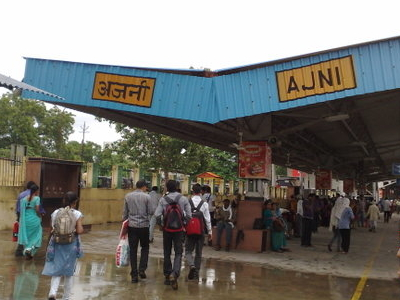
Status: Major Railway Station
Location: Ajni, approximately 2 km south of Nagpur Junction
Significance: Acts as a secondary station to ease the congestion at Nagpur Junction.
Facilities: Offers passenger amenities such as waiting areas, refreshment stalls, and parking.
Connectivity: Handles numerous long-distance trains and suburban rail traffic, improving overall connectivity for the region.
Diamond Railway Crossing
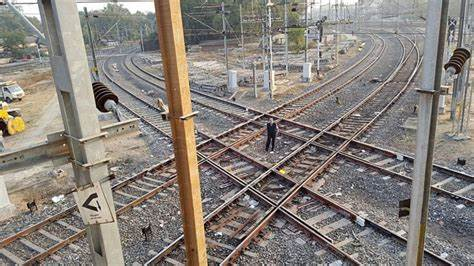
Status: Key Railway Intersection
Location: Near Ajni Railway Station
Significance: Crucial point where the north-south and east-west railway lines intersect, facilitating seamless rail traffic management.
Facilities: Essential signaling and switching systems to manage train movements.
Connectivity: Connects major railway routes including Delhi-Chennai and Howrah-Mumbai lines.
Itwari Railway Station (ITR)
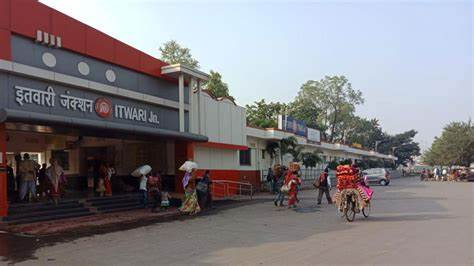
Status: Important Railway Station
Location: Itwari, in the northeastern part of Nagpur
Significance: Key station for both freight and passenger trains, particularly those on narrow-gauge lines.
Facilities: Basic amenities for passengers are available.
Connectivity: Important for narrow-gauge lines leading to smaller towns and villages, as well as for handling significant freight traffic.
Kalamna Railway Station (KAV)
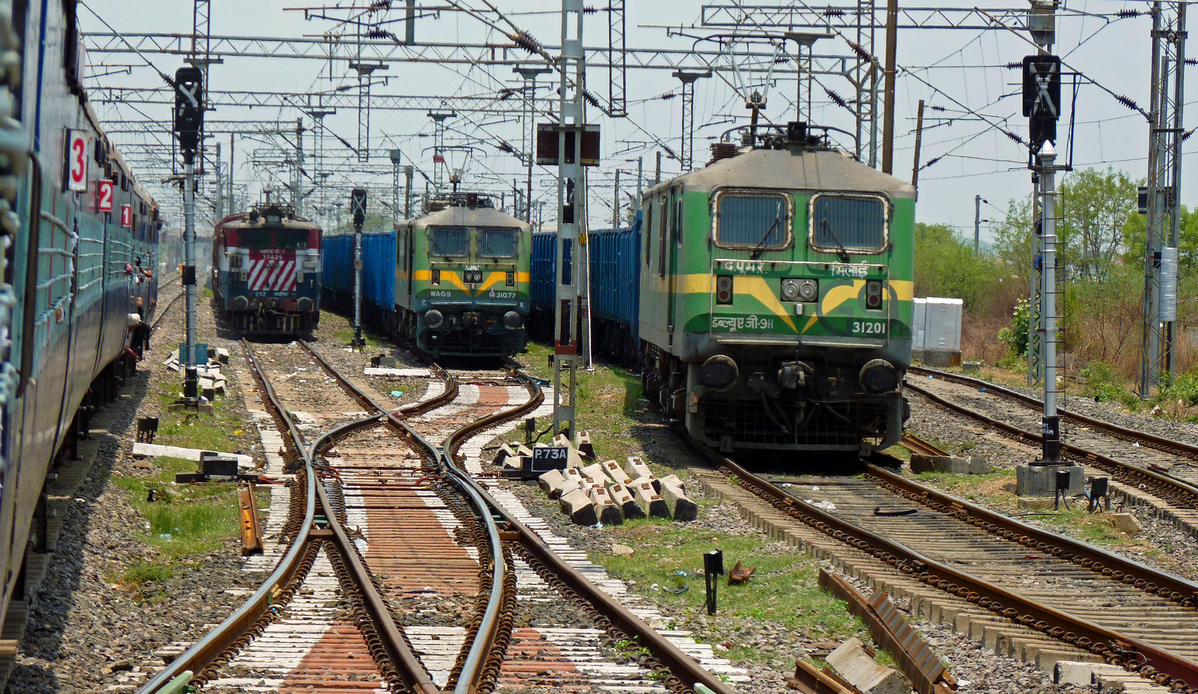
Status: Suburban Railway Station
Location: Kalamna, northeast Nagpur
Significance: Serves suburban areas and is a crucial hub for freight traffic due to its proximity to the industrial zone.
Facilities: Basic passenger amenities and facilities for freight handling.
Connectivity: Connects local industries and suburban areas, supporting both passenger and industrial rail services.
Khapri Railway Station (KRI)
Status: Suburban Railway Station
Location: Khapri, on the southern outskirts of Nagpur
Significance: Caters to suburban rail traffic and is close to the MIHAN (Multi-modal International Cargo Hub and Airport at Nagpur) project.
Facilities: Offers basic amenities for passengers.
Connectivity: Primarily serves the MIHAN area and local commuter traffic, enhancing connectivity for suburban residents.
Godhani Railway Station (GNQ)
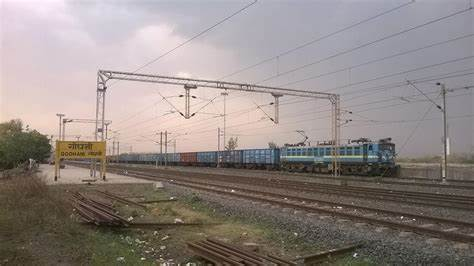
Status: Minor Railway Station
Location: Godhani, western Nagpur
Significance: Serves the local population and caters mainly to local passenger trains.
Facilities: Limited facilities are available.
Connectivity: Connects nearby localities and supports suburban rail services, making it vital for daily commuters.
Patansaongi Railway Station (PTS)
Status: Minor Railway Station
Location: Patansaongi, outskirts of Nagpur
Significance: This station serves the rural population and nearby suburban areas.
Facilities: Basic passenger amenities are present.
Connectivity: Mainly handles local and regional train services, providing essential connectivity for rural and suburban communities.
Nagpur's railway network is extensive and plays a critical role in connecting various parts of the country. The city is served by a variety of railway stations, each catering to different types of rail traffic—ranging from the busy Nagpur Junction to smaller suburban and freight-focused stations like Kalamna and Khapri. This well-structured network ensures that Nagpur remains a pivotal rail hub in central India, facilitating both passenger travel and freight movement efficiently.